
What Is the Difference Between Peptides and Steroids?

What Is the Difference Between Peptides and Steroids?
Peptides and steroids are both widely discussed in fitness and research circles, but they are fundamentally different compounds. Understanding the distinction is crucial — not just scientifically, but from a legal and safety perspective too.
What Are Steroids?
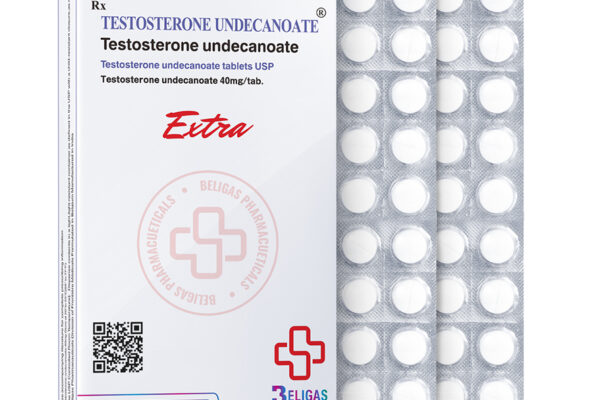
Steroids are synthetic derivatives of hormones, most commonly testosterone. They work by directly binding to androgen receptors in cells and altering gene expression — essentially telling the body to behave as though it has far more hormones circulating than it naturally would. This leads to rapid changes in muscle mass, strength, and recovery, but comes with a wide range of potential side effects and significant legal restrictions in most countries.
What Are Peptides?
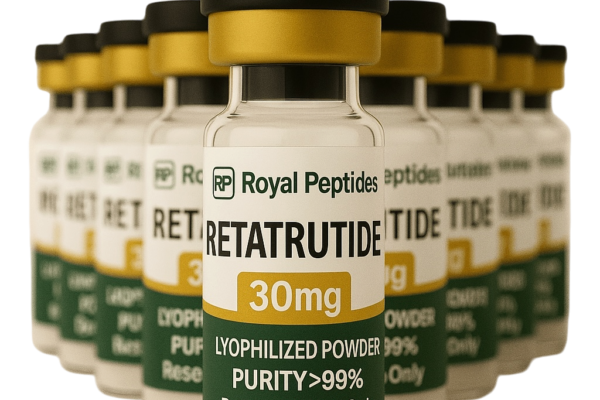
Peptides are short chains of amino acids — the same building blocks your body already uses to produce proteins and hormones. Rather than replacing or mimicking hormones directly, peptides typically signal the body to produce its own hormones or trigger other natural biological processes. For example, a growth hormone-releasing peptide (GHRP) prompts the pituitary gland to release more of its own growth hormone — it doesn’t introduce synthetic hormones into the body.
Key Differences at a Glance
| Peptides | Steroids | |
|---|---|---|
| Structure | Amino acid chains | Synthetic hormone derivatives |
| Mechanism | Stimulate natural processes | Directly alter hormone levels |
| Legal status | Legal for research in most countries | Controlled substances in most countries |
| Side effects | Generally more targeted | Broader systemic effects |
| Detection | Shorter detection window | Longer detection window |
Why Researchers Prefer Peptides
The targeted nature of peptides makes them particularly attractive for scientific research. They allow researchers to study specific biological pathways without the broad systemic disruption that steroids can cause. This selectivity also makes them a growing area of interest in pharmaceutical development.