
How Do People Store Research Peptides Properly?

How Do People Store Research Peptides Properly?
You’ve sourced your peptides from a trusted supplier, verified the Certificate of Analysis, and confirmed purity. Now comes a step that many overlook — proper storage. Incorrect storage is one of the fastest ways to degrade a peptide’s effectiveness, rendering an otherwise high-quality product useless.
Understanding Peptide Forms
Research peptides typically come in one of two forms:
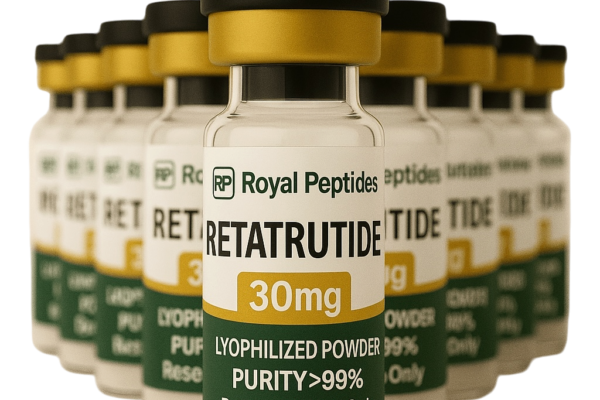
- Lyophilised (freeze-dried) powder — the most stable and shelf-stable form
- Reconstituted solution — once bacteriostatic water or another solvent has been added
Each form has different storage requirements.
Storing Lyophilised Peptides
Freeze-dried peptide powder is relatively stable if handled correctly. Here are the key rules:
- Short-term storage (weeks to months): Keep sealed vials in a cool, dry place away from light and humidity. Room temperature is acceptable for short periods if conditions are stable.
- Long-term storage (months to years): Store at -20°C (in a standard freezer). This significantly slows degradation and preserves potency.
- Avoid repeated freeze-thaw cycles — each cycle introduces moisture and degrades the peptide chain.
- Keep away from direct light — UV exposure can break down amino acid bonds over time.
Storing Reconstituted Peptides
Once you’ve added bacteriostatic water to a peptide vial, the clock starts ticking. Reconstituted peptides are significantly less stable than powder:
- Store immediately at 2–8°C (standard refrigerator temperature)
- Use within 4–6 weeks for best results — some peptides remain stable slightly longer, others degrade faster
- Never freeze a reconstituted peptide unless specifically directed for that compound
- Keep vials upright and sealed between uses
Handling Tips
- Always use a clean, sterile needle when drawing from a vial
- Minimise time outside refrigeration
- Label vials with the reconstitution date
Proper storage isn’t just about best practice — it directly impacts your research outcomes. Degraded peptides produce unreliable data and wasted investment.